A novel understanding of pandemic disease in preindustrial Europe (1300-1800)
EUROpest rethinks the history of epidemics by moving beyond single-cause explanations and examining how environmental, biological, and social factors jointly shaped disease outcomes across Europe between 1300 and 1800. Combining methods from paleoecology, climate science, archaeogenetics, history, and machine learning, the project investigates how pathogens like plague interacted with other diseases, climate variability, and regional socio-economic conditions. By treating regions as dynamic social-ecological systems, it aims to explain why epidemics had such varied impacts in different places and periods. Ultimately, EUROpest will establish a new interdisciplinary framework for understanding past pandemics and their complex determinants.
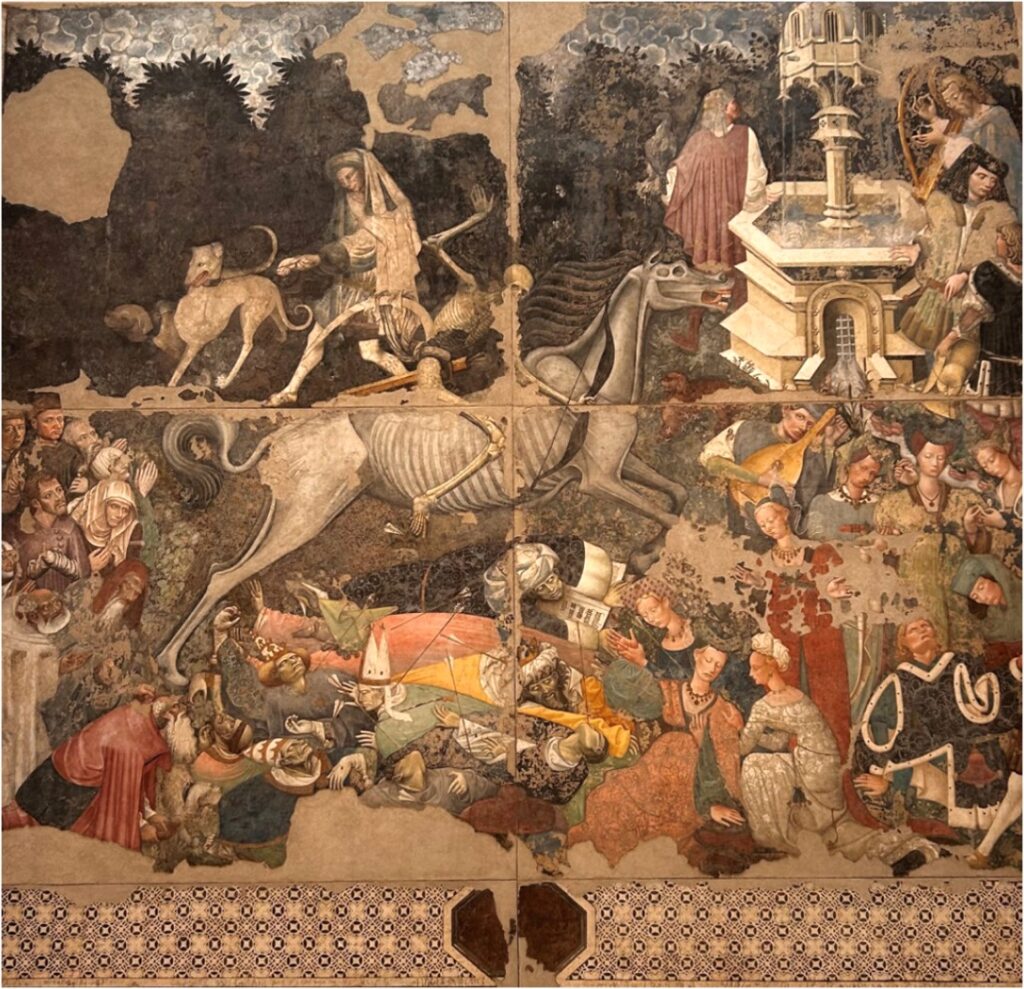
Funding Statement
The EUROpest project is funded by an ERC Synergy Grant awarded in 2024.

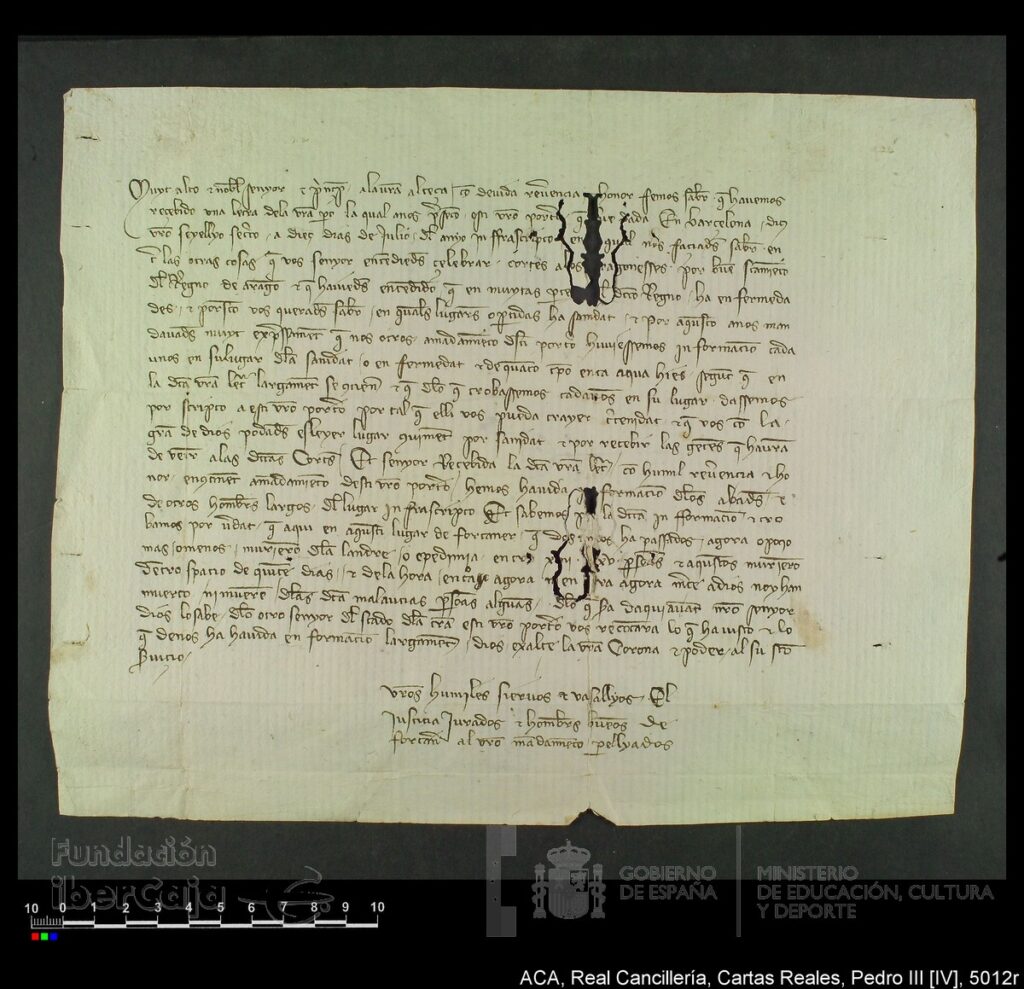
News and Upcoming Events
Follow the EUROpest developments, including publications and upcoming conferences on our News and Upcoming Events Page.
An Interdisciplinary Approach
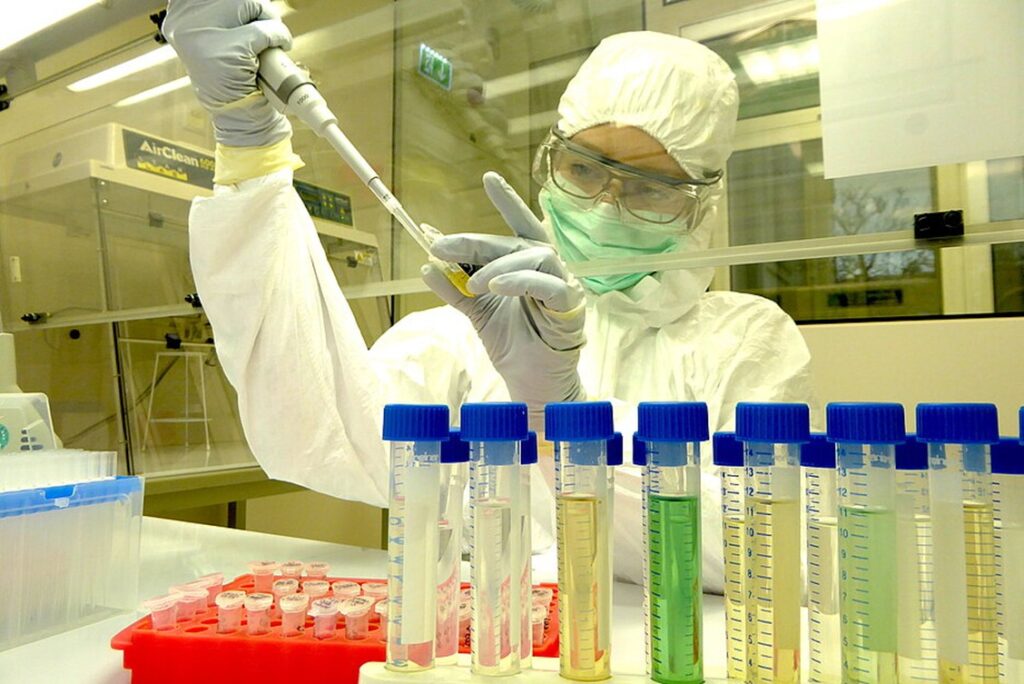
EUROpest combines multiple methods in the humanistic and natural sciences to understand how context influences not only regional outbreaks but also the short- and long-term outcomes of pandemic episodes.
An Interdisciplinary Team
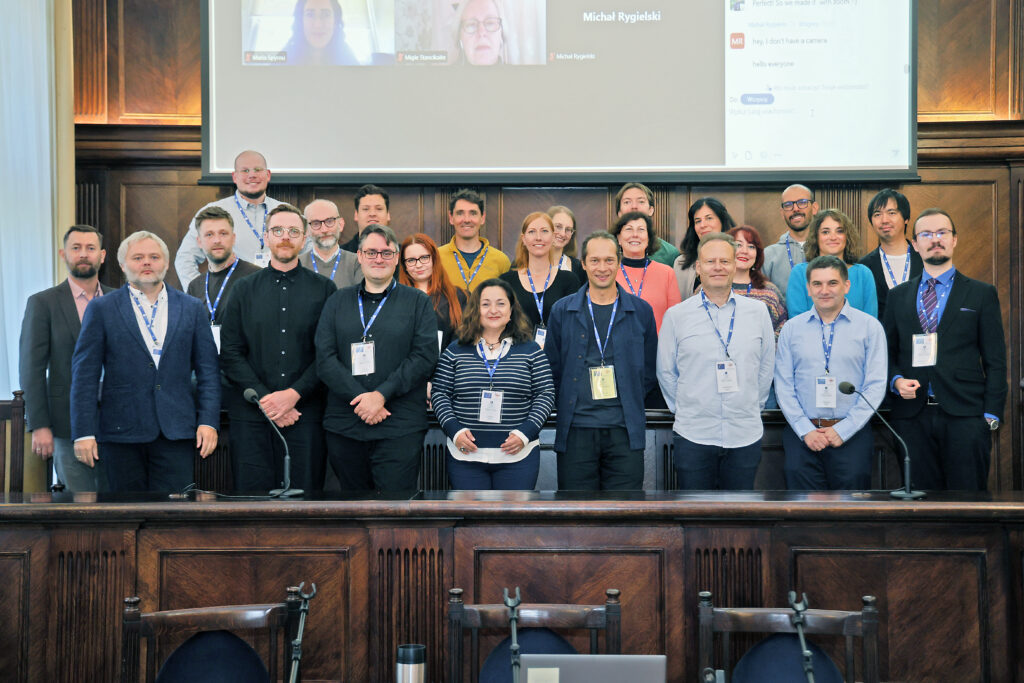
The project is backed by an interdisciplinary team of researchers including historians, bioarchaeologists, statisticians, and environmental scientists.
Collaborating Institutes